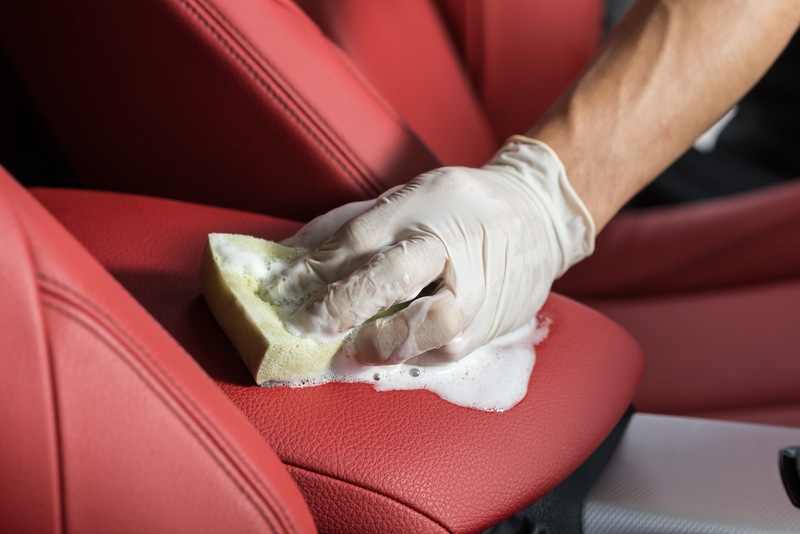
A Guide to Achieving a Dust-Free, Allergen-Reduced Living Space

Introduction
Welcome to A Guide to Achieving a Dust-Free, Allergen-Reduced Living Space. If you've ever felt stuck in a cycle of sneezing, itchy eyes, lingering odours, or visible dust that returns hours after you clean, you're not alone. Indoor air can be two to five times more polluted than outdoor air, and common triggers--from dust mites to pet dander and mould spores--often hide in plain sight. The good news: a healthier, cleaner, and more comfortable home is absolutely achievable with the right plan and tools.
This long-form, expert-backed guide distils building-science principles, UK regulations, and years of practical know-how into a simple, repeatable system. You'll learn how to remove dust at the source, block new contaminants, manage humidity, choose proven filtration, and keep your home fresh and low-allergen day after day. Whether you live in a compact flat, a Victorian terrace, or a new-build house, you'll find clear, step-by-step actions you can start today--and keep for life.
Use this comprehensive resource to build topical authority in your own household routines and make lasting improvements. Think of it as your practical manual for a dust-free, allergen-safe home.
- Why This Topic Matters
- Key Benefits
- Step-by-Step Guidance
- Expert Tips
- Common Mistakes to Avoid
- Case Study or Real-World Example
- Tools, Resources & Recommendations
- Law, Compliance or Industry Standards (UK-focused)
- Checklist
- Conclusion with CTA
- FAQ
Why This Topic Matters
We spend roughly 90% of our time indoors. Dust is more than a housekeeping nuisance--it's a health and performance issue. Household dust is a complex mix: skin flakes, textile fibres, pet dander, pollen, soot, fine particles from cooking and candles, soil tracked in on shoes, and microscopic fragments of building materials. Many of these particles act as allergen carriers, inflaming airways or triggering symptoms in sensitive individuals.
In the UK, an estimated 5.4 million people have asthma, and allergic rhinitis affects millions more. Dust mites and their allergenic proteins are among the most common culprits. These organisms thrive in warm, humid environments and feed on skin flakes embedded in mattresses, upholstery, and carpets. Meanwhile, fine particulate matter (PM2.5) from cooking, open flames, and outdoor air intrusion can penetrate deep into the lungs. The World Health Organization's guideline for annual PM2.5 is 5 ug/m?; the UK has set a target of 10 ug/m? by 2040. While those are outdoor targets, indoor exposure is where we spend most of our hours--so the stakes are high.
Beyond health, controlling dust and allergens reduces cleaning time, extends the life of furnishings and mechanical systems, and even cuts energy costs by keeping filters and vents functioning efficiently. A Guide to Achieving a Dust-Free, Allergen-Reduced Living Space is, in other words, an investment in wellbeing, productivity, and home value.
Key Benefits
- Fewer symptoms: Less sneezing, coughing, wheezing, and itchy eyes for allergy and asthma sufferers.
- Better sleep: Clean bedding and filtered air reduce nighttime irritation and snoring.
- Cleaner surfaces for longer: Proper filtration and source control keep dust from resettling.
- Improved indoor air quality (IAQ): Lower levels of PM2.5, VOCs, and biological allergens.
- Lower maintenance costs: Filters, fans, and appliances last longer when kept dust-free.
- Enhanced comfort: Consistent humidity and fresh air reduce stuffiness and odours.
- Long-term prevention: Prevent mould growth, dust-mite proliferation, and fabric degradation.
Step-by-Step Guidance
The following plan moves from assessment and quick wins to deep mitigation and long-term maintenance. Adapt it to your home's size, occupancy, pets, and sensitivities. The guiding principles: remove, block, filter, and maintain.
-
Establish your baseline
- Walkthrough: Identify hotspots: bedrooms, soft furnishings, high-traffic halls, and rooms with visible dust or damp patches.
- Simple metrics: Use a hygrometer to note humidity (ideal: 40-50% RH). If possible, track PM2.5 with a consumer-grade monitor during cooking and cleaning. Note odours or mustiness.
- Health notes: Document when symptoms worsen--night-time, after vacuuming, or during certain weather patterns.
-
Declutter strategically
- Why: Clutter traps dust and complicates cleaning. Each additional object is another dust-collecting surface.
- Action: Remove or rotate ornaments; store rarely used items in closed containers; consider built-in storage with tight seals.
- Target rooms: Bedrooms and living rooms first--where you spend the most time breathing.
-
Seal the envelope and entry points
- Weatherstrip and draft-proof: Fit door sweeps, letterbox brushes, and high-quality weatherstripping on leaky doors and windows.
- Entry mats: Use a two-stage system: coarse mat outside, absorbent mat inside. Adopt a no-shoes policy to block soil, soot, and pesticides at the door.
- Cracks and gaps: Seal gaps around pipes and skirting boards with appropriate sealants; this reduces ingress of dust and pests.
-
Ventilate correctly
- Trickle vents and extract: Ensure trickle vents are open and free of debris. Use kitchen and bathroom extracts during and 20 minutes after cooking/steaming.
- Cross-ventilation: On low-pollen and low-PM days, air out the home briefly. Use air-quality apps to avoid ventilating during pollution spikes.
- Consider MVHR: In well-sealed homes, Mechanical Ventilation with Heat Recovery provides controlled fresh air with filtration.
-
Control humidity
- Target: 40-50% relative humidity. Dust mites and mould thrive above ~60% RH; low RH can irritate airways.
- How: Fix leaks, run extracts, dry clothes outdoors or in vented dryers, and use a dehumidifier where persistent damp exists.
- Measure: Keep a hygrometer in problem rooms. Consider smart dehumidifiers that maintain setpoints.
-
Upgrade filtration and purification
- Portable air purifiers: Choose true HEPA (tested to EN 1822) with a CADR appropriate to room size; aim for at least 4-5 air changes per hour for allergy relief.
- Central filters (where applicable): In ducted systems, use ISO 16890-rated filters (e.g., ePM1 60-80%) or MERV 13 equivalent, ensuring your fan can handle the resistance.
- Source capture: Use range hoods vented outside while cooking; avoid recirculating hoods unless they use effective carbon + HEPA modules.
-
Adopt a dust-proof cleaning method
- Microfibre damp-dusting: Lightly damp microfibre cloths grab particles electrostatically. Do not dry dust--it just redistributes particles.
- Vacuuming: Use a sealed, bagged vacuum with HEPA filtration. Vacuum slow and methodically--two passes in perpendicular directions on carpets.
- Top-to-bottom, left-to-right: This professional pattern prevents re-soiling cleaned areas.
- Steam selectively: Steam can denature allergens and loosen grime on tiles and sealed floors. Always test first; avoid on delicate finishes.
-
Bedding and soft furnishings
- Wash at 60?C weekly: This temperature helps neutralise dust-mite allergens.
- Encasements: Hypoallergenic covers for pillows and mattresses create a barrier against mites.
- Minimise textiles in bedrooms: Consider blinds over heavy curtains; choose washable throws and removable cushion covers.
-
Flooring and surfaces
- Prefer hard flooring: Sealed wood, vinyl, or tile is easier to keep dust-free than deep-pile carpet. If carpeted, select low-pile with dense fibre.
- Low-VOC finishes: Choose finishes and paints with verified low emissions to avoid compounding indoor pollutant loads.
- Rugs: Use easily washable rugs and anti-slip mats that can be laundered regularly.
-
Pets and dander management
- Grooming: Regular brushing outdoors and periodic bathing reduce shed dander and hair.
- Pet-free zones: Keep bedrooms pet-free; provide pet beds with washable covers.
- Filtration boost: Run an air purifier in rooms where pets spend the most time.
-
Kitchen and bathroom source control
- Cooking: Use a high-capture cooker hood; prefer back burners for better plume capture; cook with lids to reduce aerosolised grease and steam.
- Bathroom: Run the extractor during showers and for 20 minutes after. Squeegee tiles and dry doors to cut mould risk.
- Fragranced products: Avoid heavy-scented sprays and candles; they add particulates and VOCs without cleaning benefits.
-
Outdoor particles and pollen
- Pollen calendar: During high pollen seasons, keep windows shut at peak hours; shower and change clothes after outdoor activities.
- Entry hygiene: Wipe pet paws, store outdoor gear near the door, and vacuum door mats frequently.
-
Maintenance schedule
- Daily: Ventilate briefly (when outdoor air is good), wipe kitchen surfaces, run extractor fans as needed.
- Weekly: Vacuum all floors and upholstery, damp-dust, launder bedding and pet linens.
- Monthly: Clean vents and grille covers, wash curtains/blinds (or at least vacuum them), replace or wash pre-filters.
- Quarterly: Replace HEPA/carbon filters per manufacturer guidance; deep clean behind appliances.
Expert Tips
- Right-size your air purifier: Aim for a Clean Air Delivery Rate (CADR) that achieves at least 4 air changes per hour in your room's cubic metres. Bigger rooms need more CADR--or multiple units.
- ISO 16890 over MERV in the UK: Look for filters rated ePM1 or ePM2.5. For allergen reduction, ePM1 60-80% is a strong benchmark.
- Use sealed systems: Whether a vacuum or purifier, air leakage defeats filtration. A sealed bagged vacuum with a post-motor HEPA is ideal.
- Smart scheduling: Run purifiers on higher speeds during cleaning and cooking, then step down to quieter modes.
- Microfibre matters: Quality microfibre (microfibre density and split fibres) traps more dust than cotton; launder without fabric softener to preserve performance.
- Drying laundry: Indoor drying can raise humidity and add fibres to the air. Use a vented dryer, a dehumidifier room, or line-dry outdoors when possible.
- Choose vacuum tools wisely: A motorised brush for carpets, a soft roller for hard floors, and crevice tools for skirting and radiators speed up dust removal.
- Plan for seasons: Winter often means closed windows and higher indoor pollutants--lean on filtration. Spring brings pollen--time your ventilation to low pollen hours.
- Log and learn: Keep a simple IAQ log--humidity, PM2.5 spikes, symptomatic episodes--to identify patterns and fix root causes.
Common Mistakes to Avoid
- Dry dusting with feather dusters: It re-aerosolises fine particles rather than removing them.
- Ignoring humidity: High RH fuels mites and mould; low RH irritates airways. Stay around 40-50% RH.
- Buying the wrong purifier: "HEPA-like" or "HEPA-type" is not the same as true HEPA tested to EN 1822.
- Skipping source control: Spraying air fresheners masks odours without removing pollutants; address the cause.
- Vacuuming too fast: Slow passes lift more embedded dust; replacing bags and filters on time prevents blow-by.
- Over-carpeted bedrooms: Bedrooms are the longest exposure zone--choose low-pile rugs or hard flooring where possible.
- Ventilating at the wrong time: Opening windows during rush-hour or peak pollen loads can make IAQ worse.
Case Study or Real-World Example
Property: 2-bed Victorian terrace, Manchester. Occupants: two adults, one child with seasonal allergies, and a spaniel. Issues: visible dust on shelves within 24 hours, morning congestion, occasional musty smell in the box room, and greasy residue near the cooker.
Baseline: Humidity 60-65% RH in bedrooms; PM2.5 spikes to 80-100 ug/m? when frying; dust-mite allergen detected in mattress samples; carpets in bedrooms; recirculating cooker hood with spent filters.
Interventions:
- Installed two true-HEPA purifiers sized for the lounge and child's bedroom.
- Adopted microfibre damp-dusting and a sealed HEPA vacuum; vacuumed mattresses and upholstery weekly.
- Washed bedding at 60?C weekly; added mattress and pillow encasements.
- Swapped bedroom carpets for LVT (luxury vinyl tile) with low-VOC adhesive.
- Fitted a vented cooker hood ducted outdoors and used lids while cooking.
- Dehumidifier set to 50% RH; bathroom extractor upgraded to a quiet, higher-flow unit with overrun timer.
- Instituted a no-shoes policy; placed dual mats at the entry; increased storage to reduce open-shelf clutter.
Results after 8 weeks: Average bedroom RH stabilised at 45-50%. Cooking PM2.5 peaks fell to 20-35 ug/m? with rapid decay. Visual dust settled slower; weekly cleaning time dropped ~30%. Morning congestion improved markedly, and the musty smell resolved.
Takeaway: Combining source control (vented hood, no shoes), moisture management, true HEPA filtration, and textile strategy delivered measurable reductions in dust and allergens.
Tools, Resources & Recommendations
Choosing the right equipment is half the journey. Prioritise proven standards, ease of maintenance, and fit-for-purpose sizing.
- Air purifiers: True HEPA (EN 1822) with sealed housing; activated carbon for odours/NO2; CADR sized to room volume. Consider auto-sensing for PM and VOCs.
- Vacuums: Sealed, bagged cylinder or upright with HEPA post-motor filter; motorised brush head for carpets; soft roller for hard floors.
- Dehumidifiers: Choose by room size and damp severity; look for litre/day ratings, continuous drain options, and humidistats.
- Hygrometers and IAQ monitors: Reliable RH/temperature sensors; optional PM2.5 monitors for insight into cooking and cleaning impacts.
- Microfibre cloths and mops: High GSM microfibre; colour-code to prevent cross-contamination; launder without softeners.
- Bedding encasements: Tightly woven, allergen-proof covers for pillows and mattresses; easy to launder.
- Entry mats and door sweeps: Two-stage matting and sealed thresholds reduce tracked-in dust and soot.
- Filter standards: HVAC filters meeting ISO 16890 (ePM1/ePM2.5). In ducted systems, aim for ePM1 60-80% (MERV 13 equivalent) if fan capacity allows.
- Steam cleaner: For sealed hard surfaces and grout; use carefully to avoid moisture buildup.
- Allergy certifications: Consider products endorsed by reputable bodies (e.g., Allergy UK Seal of Approval) for verified efficacy.
Law, Compliance or Industry Standards (UK-focused)
While homes are private spaces, several UK regulations and standards influence indoor environments, cleaning practices, and equipment performance. Understanding them helps you make compliant, health-forward choices.
- Building Regulations Part F (Ventilation): Sets requirements for adequate ventilation in new builds and major refurbishments. Good ventilation is foundational to controlling humidity and indoor pollutants.
- Homes (Fitness for Human Habitation) Act 2018: Requires rented homes to be free from serious hazards including damp and mould. Persistent humidity and mould problems fall within this remit.
- Housing Health and Safety Rating System (HHSRS): Used by local authorities to assess hazards such as damp and mould growth, which are closely tied to dust-mite and allergen proliferation.
- ISO 16890 (Air filter testing and classification): The current international standard for general ventilation filters, replacing older EN 779. Look for ePM1/ePM2.5 rating to match your IAQ goals.
- EN 1822 (HEPA/ULPA classification): Determines the capture efficiency of high-efficiency particulate air filters. True HEPA should be tested and labelled accordingly.
- REACH and CLP Regulations: Govern chemical safety and labelling. Always follow labels on cleaning agents; avoid mixing chemicals; opt for low-VOC products.
- Gas Safety and Combustion Appliances: Ensure gas hobs and boilers are serviced by Gas Safe registered engineers. Proper combustion reduces indoor particulates and NO2.
Note: This guide is informational and not legal advice. For tenancy issues, speak to your local council or a qualified adviser. For building or ventilation changes, consult a competent professional.
Checklist
Use this quick checklist to apply A Guide to Achieving a Dust-Free, Allergen-Reduced Living Space efficiently.
- [ ] Hygrometer installed; RH between 40-50%
- [ ] Entry mats placed, no-shoes policy adopted
- [ ] Trickle vents open; kitchen/bathroom extractors working
- [ ] True HEPA purifier sized to key rooms (ACH >= 4)
- [ ] Sealed bagged HEPA vacuum; bags/filters fresh
- [ ] Microfibre damp-dusting routine established
- [ ] Bedding washed at 60?C weekly; encasements fitted
- [ ] Dehumidifier setpoint 50% RH (if needed)
- [ ] Decluttered shelves; closed storage implemented
- [ ] Vented cooker hood used during and after cooking
- [ ] Curtains/blinds cleaned; vents and grilles dust-free
Conclusion with CTA
Creating a dust-free, allergen-reduced living space isn't about one miracle gadget--it's about a smart, layered strategy. By combining source control, proper ventilation, humidity management, and verified filtration, you can change the air you breathe and the way your home feels. The result is a cleaner environment, fewer symptoms, less time spent cleaning, and more time enjoying your space.
From the entry door to the mattress, from the cooker hood to the dehumidifier, each small decision compounds. Use this guide as your blueprint--start with quick wins, then build sustainable routines. Your lungs, your sleep, and your furnishings will thank you.
Get a free quote today and see how much you can save.
FAQ
What's the difference between dust and allergens?
"Dust" is a mix of particles--skin flakes, fibres, soil, soot, and more. "Allergens" are substances that trigger allergic responses, such as dust-mite proteins, pollen, and pet dander. Dust often acts as a carrier for allergens, which is why removing dust effectively reduces allergic symptoms.
Will an air purifier make my home dust-free on its own?
No single device can do it alone. Air purifiers reduce airborne particles, especially fine ones, but settled dust and fibres require vacuuming and damp-dusting. The best results come from combining source control, filtration, ventilation, and regular cleaning.
What HEPA standard should I look for in the UK?
Look for true HEPA tested under EN 1822, not "HEPA-type." For general HVAC filters, ISO 16890 ratings (e.g., ePM1 60-80%) are more relevant than MERV in the UK and Europe. Ensure the purifier or filter housing is well sealed to prevent bypass.
How often should I vacuum to control allergens?
At least weekly for most homes; high-traffic areas and homes with pets may require 2-3 times per week. Use a sealed, bagged HEPA vacuum and vacuum slowly with overlapping passes, especially on carpets and upholstered furniture.
What humidity level prevents dust mites and mould?
Keeping relative humidity around 40-50% is ideal. Dust mites struggle below ~50-55% RH, and mould growth is discouraged below ~60% RH. Use a hygrometer to monitor and a dehumidifier or improved ventilation to maintain the target.
Should I remove all carpets to reduce allergens?
Not necessarily, but carpets--especially deep pile--trap more dust and mites. Bedrooms, where you spend many hours, are priority areas for hard flooring or low-pile, tightly woven carpets combined with meticulous cleaning and filtration.
Do plants improve indoor air quality for allergens?
Houseplants can be pleasant, but they don't significantly remove allergens. Some can introduce soil mould or pollen. If you enjoy plants, choose low-pollen varieties, use sterile potting mix, and avoid overwatering to prevent mould.
Are scented candles and air fresheners a problem?
They can emit fine particles and volatile organic compounds (VOCs), which may irritate airways and add to dust loads. It's better to remove odour sources, ventilate, and use carbon filtration than to mask smells with fragrance.
Is steam cleaning good for allergen control?
Steam can help denature certain allergens and lift grime on sealed surfaces. Use it judiciously: avoid oversaturation, test in inconspicuous spots, and don't use on moisture-sensitive materials. Follow up with proper drying and ventilation.
How do I pick the right-size air purifier?
Calculate the room's volume (floor area x ceiling height) and choose a purifier whose CADR delivers about 4-5 air changes per hour. Large rooms may need multiple units. Verify that the model uses true HEPA and has good seals.
Can I reduce allergens without central HVAC (common in UK homes)?
Yes. Use room purifiers with true HEPA, manage humidity with a dehumidifier, ensure kitchen and bathroom extraction, and adopt source control like no-shoes policies and microfibre cleaning. MVHR systems are an option in airtight homes.
What bedding is best for allergies?
Use allergen-proof encasements on pillows and mattresses, wash bedding at 60?C weekly, and opt for synthetic duvets and pillows that can be laundered regularly. Avoid heavy, hard-to-clean textiles in bedrooms.
Is ozone or ionisation a good idea for cleaning the air?
Avoid ozone generators; ozone is a lung irritant. Ionisers vary widely, and some may generate ozone as a by-product. Prioritise mechanical filtration (true HEPA) and activated carbon rather than reactive chemical devices.
How quickly will I notice improvements?
Many people notice fresher air and fewer odours within days of improving ventilation and filtration. Allergy symptoms often improve over 2-8 weeks as textiles are laundered, surfaces are deep-cleaned, and humidity is stabilised.
Do hypoallergenic sprays replace cleaning?
No. Sprays may temporarily dampen dust, but long-term reduction requires removing particles physically (vacuuming, damp-dusting), blocking entry points, maintaining humidity, and using verified filtration.
How do I ventilate when outdoor air is polluted?
Time your ventilation to low-pollution periods (early morning or post-rush hour), use trickle vents rather than wide-open windows, and rely on HEPA filtration indoors during spikes. A vented cooker hood remains essential during cooking.
What's the best vacuum for allergy sufferers?
A sealed, bagged vacuum with true HEPA filtration and a motorised brush head for carpets is ideal. Change bags and filters on schedule to maintain suction and prevent particle blow-by.
Do I need professional help?
Most actions are DIY-friendly. If you have persistent damp, visible mould, or complex ventilation issues, consult qualified contractors. For rentals, landlords have responsibilities under UK housing health standards to address damp and mould.