Goldsmiths Area Upholstery Cleaning for Students: A Practical Guide to Fresher Rooms, Safer Fabrics, and Easier End-of-Term Moves
If you live near Goldsmiths and share a flat, studio, or student house, upholstery tends to take a beating faster than people expect. A sofa gets used for lectures, late-night pizza, revision naps, and the occasional spill that nobody quite admits to. That is exactly why Goldsmiths area upholstery cleaning for students matters: it helps keep your furniture looking decent, smelling cleaner, and lasting longer, without turning a busy student week into a cleaning marathon.
Truth be told, most student furniture does not get ruined in one dramatic moment. It slowly picks up crumbs, drink marks, body oils, dust, and the odd mystery stain over time. In a compact London space, you notice that build-up quickly. This guide breaks down what upholstery cleaning involves, how it works, what to expect, and how students can choose the most sensible option for their budget and timetable.
Whether you are in halls, private accommodation, or a shared house near New Cross and Goldsmiths, the goal is simple: make a smart decision, avoid damaging the fabric, and get better results with less faff.
Table of Contents
- Why Goldsmiths area upholstery cleaning for students matters
- How Goldsmiths area upholstery cleaning for students works
- Key benefits and practical advantages
- Who this is for and when it makes sense
- Step-by-step guidance
- Expert tips for better results
- Common mistakes to avoid
- Tools, resources and recommendations
- Law, compliance, standards, and best practice
- Options, methods, and comparison table
- Case study or real-world example
- Practical checklist
- Conclusion
- Frequently asked questions
Why Goldsmiths Area Upholstery Cleaning for Students Matters
Student life is brilliant, but it is rarely gentle on soft furnishings. Sofas get used as dining tables, armchairs become laptop stations, and fabric picks up everything from deodorant overspray to rainwater from damp jackets. Around Goldsmiths, where many students are balancing studies, part-time work, and social life, upholstery cleaning is not just about appearances. It is about making a small living space feel manageable.
Clean upholstery can also help with the simple day-to-day stuff. A fresher sofa makes a room feel less stale. A properly cleaned chair can reduce the dusty, slightly tired feeling that builds up in shared homes. And if you are moving out at the end of term, a decent clean may help you avoid awkward arguments over deposits and "who caused that mark?" conversations. We have all seen those debates. Not fun.
For students, the biggest issue is usually not luxury. It is practicality. Most people need a cleaning option that is quick, affordable, and safe for common fabrics like polyester blends, cotton mixes, velvet-look upholstery, and synthetic student-sofa materials. If you want a broader overview of the core process, the main upholstery cleaning service explains how professional cleaning is generally approached for different fabric types.
There is also a health and comfort angle. Dust, spills, and trapped particles can make a room feel less fresh, especially in smaller properties where windows stay shut on cold London evenings. You do not need to be precious about furniture to appreciate that a cleaner seat is just nicer to sit on. Simple as that.
How Goldsmiths Area Upholstery Cleaning for Students Works
Upholstery cleaning is usually a combination of inspection, fabric testing, pre-treatment, deep cleaning, and controlled drying. That sounds technical, but the basic idea is straightforward: identify the material, work out what kind of dirt is on it, and choose the safest method for removing that dirt without over-wetting or damaging the fabric.
1. Inspection and fabric check
A professional cleaner will normally start by looking at the item carefully. Is it a sofa, dining chair, desk chair, footstool, or a mattress topper with fabric trim? What does the manufacturer label say, if there is one? Some fabrics can handle more moisture than others. Some need very careful low-moisture cleaning. Others need stain-specific treatment first. If you rush this part, you risk making the stain worse. A bit annoying, to be fair.
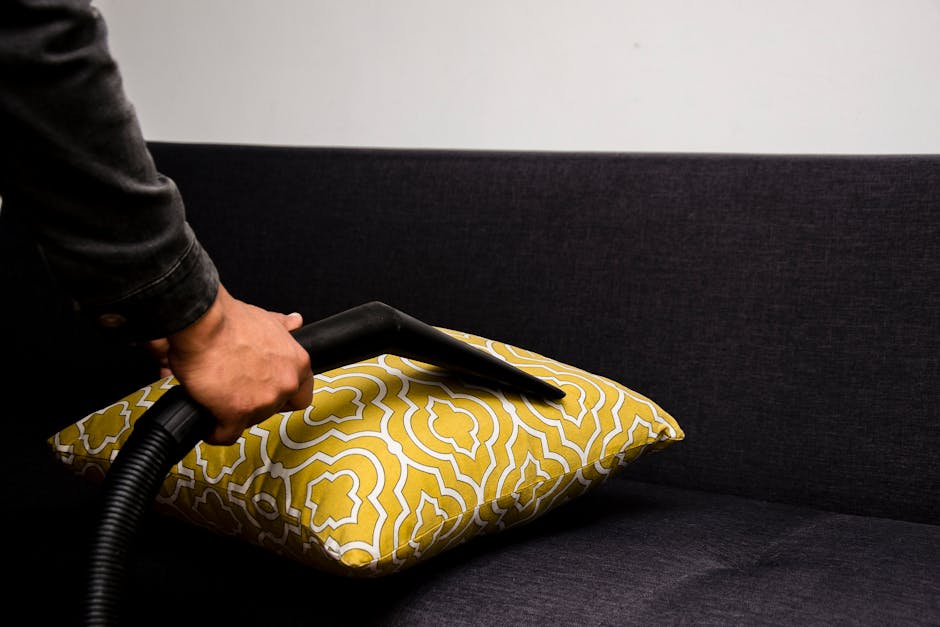
2. Dry removal and pre-vacuuming
Loose dust, crumbs, hair, and grit are usually removed before any wet cleaning begins. This matters more than people think. If you skip proper dry soil removal, the fabric can turn muddy once moisture is added. That is one of those mistakes you only make once.
3. Pre-treatment of spots and spills
Common student stains often include tea, coffee, soft drinks, sauce, makeup, and the occasional oily mark from takeaway food. Each one behaves differently. A good cleaner will apply suitable pre-treatment and give it time to work, instead of scrubbing aggressively. Scrubbing sounds active, but it often just drives the stain deeper.
4. Deep cleaning method selection
Depending on the fabric, the cleaner may use hot water extraction, low-moisture cleaning, or a specialist upholstery process. Hot water extraction is common for many robust synthetic fabrics, but it is not suitable for everything. Low-moisture methods are often preferred where quick drying matters, or where the textile is more delicate.
5. Controlled drying
Drying is a bigger deal than students usually expect. In shared accommodation, you often need the furniture ready again the same day or next morning. Proper airflow, open windows if weather allows, and avoiding use until dry all help. If a sofa feels damp for too long, you can get musty smells, which defeats the purpose.
6. Final grooming and inspection
Finally, the pile may be brushed into place and any remaining spots checked again. This is when the room starts to feel genuinely refreshed. You notice it immediately, especially if the fabric had that dull, lived-in look before.
If you are comparing broader cleaning options for soft furnishings, a related service such as sofa cleaning is especially relevant for student lounges and shared living rooms where one piece of furniture gets heavy use.
Key Benefits and Practical Advantages
For students, the best cleaning choice is the one that solves more than one problem at once. Upholstery cleaning does that quite neatly.
- Improves the look of a room fast. A cleaner sofa or chair can make the whole space feel more organised, even if the rest of the room is still very much student-chaos-adjacent.
- Helps remove odours. Food smells, damp, and general "flat-life" odours often cling to fabric.
- Supports better fabric longevity. Dirt behaves a bit like sandpaper over time. Removing it can slow wear.
- Makes end-of-tenancy prep easier. Clean upholstery can support a better handover when you move out.
- Can be tailored to budget and time. Some items need a full deep clean, while others only need targeted stain removal.
- Better for shared homes. In a house with several students, a single clean can improve the feel of the whole communal area.
There is also a psychological benefit that rarely gets enough attention. A room with cleaner furniture just feels more settled. When the sofa smells better and does not have that faint patchy look, it is easier to relax, study, or have people over without apologising first. That matters more than it sounds.
For fabric-specific care, especially where accidental marks are the issue, the stain removal service can be useful when you need focused treatment rather than a full clean.
Who This Is For and When It Makes Sense
This topic is not only for people with obviously dirty furniture. In fact, many of the best times to clean upholstery are before things look terrible.
Students living in halls
If you are in halls, your furniture may be simpler but still gets heavily used. A communal lounge sofa can collect spills surprisingly quickly. The sooner it is addressed, the less likely it is to develop lingering marks or smells.
Students in shared houses
This is the most common scenario. Shared homes near Goldsmiths often have one or two heavily used sofas, some dining chairs, and maybe a fabric desk chair or two. Multiple people using the same furniture means stains and wear build up faster. And because everyone assumes someone else will clean it, well... you know how that goes.
Students in private rentals
If you are responsible for the furniture, upholstery care is part of keeping the place pleasant and presentable. It can be a worthwhile periodic task, especially if you host friends regularly or spend a lot of time at home.
When it makes sense to book cleaning
- Before the end of term
- After a spill that has soaked in
- When a sofa starts to smell stale
- Before moving out and returning keys
- When furniture looks flattened, marked, or tired despite regular vacuuming
- After a period of illness, heavy use, or a busy house term
If odours are part of the problem, especially from pets or food, it may help to combine upholstery care with pet stain and odour removal where relevant. Not every student house has pets, of course, but plenty have a dog that visits often enough to leave a trace.
Step-by-Step Guidance
If you are organising Goldsmiths area upholstery cleaning for students, a simple process helps you avoid wasted time and avoidable mistakes. Here is the practical version.
- Identify the furniture and fabric. Check labels if they are present. Note whether the item is a sofa, chair, stool, or other upholstered piece.
- Take photos of stains beforehand. This is useful for tracking progress and, if you share the property, for general accountability.
- Clear the area around the furniture. Remove bottles, chargers, books, and loose cushions. Students accumulate a lot of small stuff. A lot.
- Vacuum thoroughly. Even if a professional is coming in, light prep helps the finished result.
- Decide whether you need a deep clean or spot treatment. One spill may only need targeted treatment. A whole season of use may justify a deeper clean.
- Choose a cleaning method suited to the fabric. That is the part you do not want to guess.
- Allow for drying time. Plan around lectures or evening revision so the furniture is not used too early.
- Inspect once dry. If a mark is still visible, it may need a second treatment rather than a rough scrub.
A small but useful tip: if you are arranging a clean before a move-out, book it before the final chaos begins. End-of-term packing has a way of eating entire days. One minute you are "just sorting the kitchen," and somehow it is 11:40 at night and you are standing in a corridor holding a frying pan and a hoodie.
For broader surface care, many households also combine upholstery work with steam carpet cleaning or carpet cleaning so the lounge and floor refresh together. That can make a real difference in a small flat.
Expert Tips for Better Results
Good upholstery cleaning is as much about what you do before and after as the actual cleaning itself. A few habits can make a big difference.
- Act early on spills. Blot, do not rub. If you remember only one thing from this article, make it that.
- Test any product first. Even mild-looking cleaners can affect colour or texture.
- Use airflow for drying. Open windows where practical and keep the room ventilated.
- Protect high-use seats. If one seat is everyone's favourite, rotate cushions where possible.
- Vacuum weekly if you can. It sounds basic, but it keeps grit from settling deep into the fabric.
- Be realistic about stain age. Fresh marks are easier. Old marks can improve, but they may not vanish completely.
- Ask about fabric sensitivity. Velvet, suede-effect materials, and natural fibres often need extra care.
Expert summary: For student homes, the best upholstery cleaning is usually the one that matches the fabric, the stain type, and the time you actually have. Speed is useful, but fabric safety comes first. If you try to force a quick fix on a delicate material, you can end up with water rings, colour loss, or a rough patch that is somehow even more annoying than the original stain.
If you are budgeting for a wider property refresh, it is worth looking at pricing and quotes in advance so you can decide whether to clean just the main sofa or add chairs and curtains too.
Common Mistakes to Avoid
Most upholstery problems in student accommodation are caused by impatience, not bad luck. The same few mistakes show up again and again.
1. Scrubbing a fresh stain
Scrubbing pushes liquid deeper and can rough up the fibres. Blotting is far safer.
2. Using too much water
Over-wetting is a classic issue. It can leave marks, slow drying, and create a musty smell.
3. Cleaning without checking the fabric type
A method that works brilliantly on one sofa may be wrong for another. Labels matter.
4. Ignoring odour sources
Sometimes the smell is not just on the surface. Spills, body oils, and trapped dirt can all contribute. Cleaning only the visible mark may not solve the smell.
5. Forgetting about drying time
Using the sofa too early can transfer dirt back onto it or flatten damp fibres. Not ideal.
6. Assuming all cleaners are the same
Method, training, and fabric knowledge matter. A rushed job can look fine for a day and then reveal a ring or patch later.
If you need more than upholstery attention, for example a sofa with a few stubborn marks plus a rug that has seen better days, it can help to pair services thoughtfully. A rug cleaning appointment can make a room feel cleaner overall without overdoing the process.
Tools, Resources and Recommendations
Students usually do not need a shed full of specialist products. A sensible kit is enough for everyday upkeep.
- Vacuum with upholstery attachment. Great for crumbs, dust, and hair.
- Microfibre cloths. Useful for blotting spills and drying edges gently.
- Soft brush. Helps lift pile and loosen surface dust.
- Plain white towels. Handy for blotting without colour transfer.
- Mild fabric-safe cleaner. Only if it is suitable for the upholstery type.
- Good airflow. Open windows, a fan, or just a dry room and a little patience.
From a service perspective, a trustworthy provider should be clear about what they will clean, what they will not clean, and how they handle issues if something goes wrong. It is sensible to check practical policies too. For example, a provider should make insurance and safety information available, and the company's insurance and safety details should give you confidence before work begins. You should also be able to understand terms and conditions without a law degree. Which, let's face it, is useful for everyone.
If you are curious about the people behind the service, the about us page is a good place to understand the company's approach, while contact us is the natural next step when you want to ask about student accommodation, timing, or access.
Law, Compliance, Standards, and Best Practice
For student upholstery cleaning, the most relevant compliance points are usually practical rather than dramatic. In the UK, professional cleaners should work with safe handling practices, sensible chemical use, and appropriate care for furnishings and property. The exact requirements depend on the job, but good practice usually includes risk awareness, proper ventilation, and transparent communication about products and methods.
For shared student housing, there is also a simple duty of care angle. If a cleaner is coming into a property, they should be able to work safely, protect surfaces, and avoid creating slip hazards or electrical risks from excess moisture. That is why it is worth looking for clear operational policies rather than vague assurances.
If sustainability matters to you, it may also help to know how a company approaches waste, water use, and responsible product choices. The recycling and sustainability page can offer useful reassurance if you prefer a lower-waste approach. And if a provider handles your data or booking details, their privacy policy and payment and security information should be easy to find.
That may sound like admin, but in practice it protects you. A lot of people only think about these details after something has gone wrong. Better to check calmly beforehand.
Options, Methods, and Comparison Table
Students usually choose between doing it themselves, booking a specialist clean, or combining both. Each has a place.
| Option | Best for | Pros | Limitations |
|---|---|---|---|
| Light DIY maintenance | Everyday crumbs, small fresh marks, regular upkeep | Cheap, quick, easy to repeat | Not ideal for deep stains, odours, or delicate fabrics |
| Professional upholstery cleaning | Built-up dirt, stains, odours, pre-move-out refresh | More thorough, safer for tricky fabrics, better finish | Costs more than DIY and may need drying time |
| Spot treatment only | One clear mark or spill | Targeted, often more budget-friendly | Does not refresh the whole piece |
| Combined room clean | Shared flats, end-of-term move-outs, heavily used communal rooms | Better overall result, efficient for the whole room | Can take more planning and may cost more upfront |
In a Goldsmiths student setting, the best choice often depends on the furniture's age and how much use it gets. A newer synthetic sofa in decent condition may only need periodic maintenance. A tired communal sofa that has survived three terms of coffee, curry, and coursework might need the full works. No judgement. That sofa has seen things.
Case Study or Real-World Example
Here is a realistic student scenario, based on the kind of situation that comes up again and again in shared London housing.
A group of students in a shared house near Goldsmiths notices that the main sofa has developed a dark patch on one arm, a faint food smell, and a general "lived-in" appearance. Nobody is sure when the stain started. Probably after a late-night takeaway, maybe before. One flatmate wants to ignore it until the end of term, another wants to attack it with supermarket spray, and a third is mostly concerned about the smell when the windows are shut.
The sensible approach is to identify the fabric, vacuum first, and get the stain treated properly rather than scrubbing it into the weave. The cleaner checks the material, uses a suitable method for the fabric, and focuses on the stain edge so it does not spread. The odour is reduced, the sofa dries faster than expected, and the room feels less stuffy the next day. Not magically new, but much better. That is usually the real win.
If the household also has a chair with visible wear and a rug that has collected dust, combining services can be a smarter use of time than tackling one item at a time. The whole room ends up feeling calmer. Small win, but still a win.
Practical Checklist
Use this checklist before you book or start any upholstery cleaning work in a student property:
- Identify the type of upholstered item
- Check the fabric label if available
- Note any fresh spills, old stains, or odours
- Take a quick photo before cleaning
- Vacuum loose dirt and crumbs first
- Move books, cables, cups, and other clutter away
- Confirm whether the item can be cleaned with moisture
- Ask how long drying is likely to take
- Plan around lectures, work shifts, or overnight drying
- Keep windows open if weather and security allow
- Avoid using the furniture until fully dry
- Inspect the result once the item has dried
One more practical note: if your flat has more than one fabric item in poor condition, it is often smarter to bundle them rather than book separate visits. It saves time, and the room gets a more balanced finish. Nice and tidy, without the scattergun approach.
Conclusion
Goldsmiths area upholstery cleaning for students is really about making student living easier. Cleaner upholstery improves comfort, helps control odours, supports better move-out prep, and keeps shared spaces from feeling worn out before their time. The key is to choose the right method for the fabric, avoid over-wetting, and treat stains early rather than hoping they disappear on their own. They rarely do.
If you are living in a student house, flat, or halls near Goldsmiths, a sensible upholstery clean can make a surprisingly big difference to how your space feels. And honestly, when your sofa looks fresher and the room smells better, everything feels a bit easier. Study sessions, visitors, all of it.
Get a free quote today and see how much you can save.
Sometimes the smallest practical upgrades make the biggest difference to day-to-day life, and this is one of those times.
Frequently Asked Questions
How often should students book upholstery cleaning in Goldsmiths area homes?
It depends on use, but many student homes benefit from cleaning when visible staining, odour, or general dullness starts to build up. High-use communal sofas may need attention more often than occasional-use chairs.
Can upholstery cleaning remove old coffee or tea stains?
Often, yes, at least partially. Fresh stains are usually easier, while older ones may improve but not vanish completely. Fabric type, stain age, and previous DIY attempts all affect the result.
Is upholstery cleaning safe for delicate fabrics?
It can be, if the correct method is used. Delicate materials need careful inspection and often a lower-moisture approach. That is why fabric testing matters before any cleaning starts.
How long does upholstery take to dry?
Drying time varies by fabric, room ventilation, and cleaning method. Some items may dry fairly quickly, while heavier fabrics can take longer. Always plan for access to the furniture after cleaning.
Should students try DIY upholstery cleaning first?
For small fresh spills, light DIY blotting can help. For deeper stains, odours, or delicate fabrics, a professional approach is usually safer. The main risk with DIY is using too much water or the wrong product.
What is the best way to prepare a student flat for upholstery cleaning?
Clear clutter from the area, vacuum loose debris, take photos of existing marks, and make sure the cleaner can access the furniture easily. A bit of prep goes a long way.
Can upholstery cleaning help with smells in a shared house?
Yes, especially if the smell comes from trapped dirt, spills, or general build-up in the fabric. If odours are strong or there is pet-related contamination, a targeted treatment may be needed.
Is it worth cleaning a cheap student sofa?
Usually, yes, if the sofa is still structurally sound. A cheaper sofa can still look much better after cleaning, and in a student home that can improve the whole room without replacing furniture.
What should students check before hiring a cleaner?
Look for clear explanations of method, likely drying times, safety practices, insurance, and booking terms. You want clarity, not vague promises.
Can upholstery cleaning be combined with other services?
Yes. In many cases students combine upholstery work with carpet or rug cleaning so the whole room feels refreshed together. That can be more practical than dealing with each item separately.
Does cleaning help before moving out of a property?
Definitely. Clean upholstery can make a property look much better at handover and may reduce avoidable end-of-tenancy disputes. It is one of those jobs that pays off quietly.
Where can I find more service information before booking?
You can review the provider's upholstery cleaning page for the core service, then check supporting pages such as pricing and quotes, terms and conditions, and contact us if you want to ask a specific question.