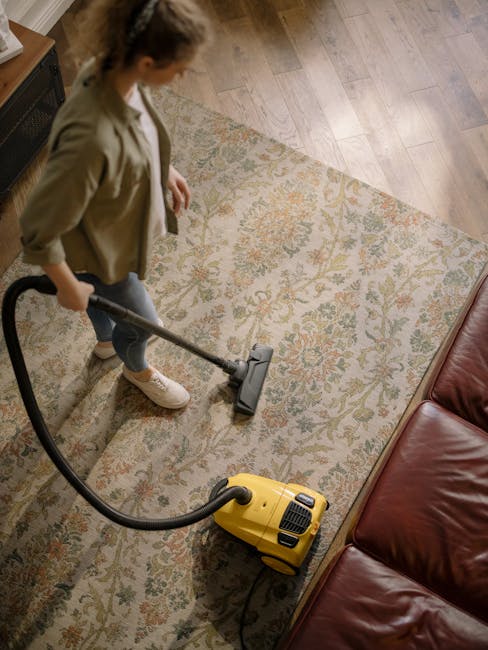
Telegraph Hill Rug Cleaning and Care Tips for Period Flats
Period flats in Telegraph Hill have a charm you can feel the moment you walk in: original floorboards, tall skirting boards, maybe a slightly creaky hallway, and rugs that do a lot more than look good. They soften sound, protect older floors, and bring warmth to rooms that can otherwise feel a bit drafty on a wet London morning. But they also take the brunt of everyday life. Mud from the street, tea spills, pet paws, and the odd patch of dust that seems to appear from nowhere.
This guide brings together practical Telegraph Hill rug cleaning and care tips for period flats, with a focus on protecting delicate fibres, preserving old interiors, and avoiding the kinds of mistakes that turn a small mark into a bigger headache. Whether your rug is wool, a flatweave, or something more decorative, you will find clear steps you can actually use. And yes, sometimes the best approach is the simple one. Fancy products are not always the hero here.
For readers who want deeper support on textile care across the home, it can also help to look at related services such as professional rug cleaning, targeted stain removal, and steam carpet cleaning. Used well, these options can complement your day-to-day maintenance rather than replace it.
Table of Contents
- Why Telegraph Hill Rug Cleaning and Care Tips for Period Flats Matters
- How Telegraph Hill Rug Cleaning and Care Tips for Period Flats Works
- Key Benefits and Practical Advantages
- Who This Is For and When It Makes Sense
- Step-by-Step Guidance
- Expert Tips for Better Results
- Common Mistakes to Avoid
- Tools, Resources and Recommendations
- Law, Compliance, Standards, or Best Practice
- Options, Methods, or Comparison Table
- Case Study or Real-World Example
- Practical Checklist
- Conclusion
- Frequently Asked Questions
Why Telegraph Hill Rug Cleaning and Care Tips for Period Flats Matters
Rugs in period flats are not just decoration. They are part of how the flat lives and breathes. In Telegraph Hill, many homes combine older architecture with modern daily use, which means rugs have to handle both style and strain. If you have a Victorian or Edwardian flat, you may also be dealing with original timber floors underneath. That makes the rug's condition more important than most people realise.
A well-cared-for rug helps reduce wear on the floor beneath, dulls noise between rooms, and adds insulation in cooler months. A neglected rug, by contrast, can trap grit, spread odours, and mark pale floorboards if moisture or dye transfer occurs. That is the bit people often miss. A rug is not isolated; it is part of the whole room ecosystem, if you want to be a little grand about it.
There is also the matter of age and texture. Period flats often suit natural fibres and heritage-style decor, but those same materials may need a gentler cleaning routine than a modern synthetic rug in a busy new-build. The fabric, weave density, backing, and dye stability all matter. One rug can cope with more than another, even when they look similar at first glance.
In practice, this means Telegraph Hill rug care needs to balance appearance, preservation, and safety. You want rugs that look good on the floor, but you also want them to dry properly, stay stable, and not damage older interiors. That balance is the whole game.
How Telegraph Hill Rug Cleaning and Care Tips for Period Flats Works
Good rug care starts before any cleaning product comes near the fibres. First comes identification: what is the rug made from, how is it woven, and has it been treated before? Wool, cotton, jute, sisal, silk blends, and synthetics each behave differently. Wool is resilient, but it can felt if scrubbed too aggressively. Flatweaves are often easier to maintain, though they may show staining quickly because they sit so close to the floor.
Next comes inspection. You look for fading, loose threads, edge fraying, moth damage, pile crushing, and old stains. In a period flat, you also check the underlay and the floor beneath. If the rug has been sitting in one place for months, there may be dust lines or moisture shadowing underneath. Sometimes you only spot that after lifting the corners. A bit grim, but useful.
Cleaning itself usually follows a measured sequence: dry soil removal, spot testing, targeted stain treatment, then deeper cleaning if needed. The reason this order matters is simple. If you add water too early, dirt can sink deeper into the pile, and in older homes moisture can linger longer than expected because of cooler rooms and limited airflow.
Finally, drying and finishing are just as important as the wash stage. In period flats, where ventilation can be a mixed blessing and sunlight may be patchy, a rug that is left damp can develop odour or become vulnerable to mustiness. Good cleaning is therefore as much about controlled drying and correct placement as it is about the cleaning liquid itself.
Key Benefits and Practical Advantages
There are some clear benefits to keeping rugs properly maintained in Telegraph Hill period flats. Most are obvious once you think about them, but they are worth spelling out.
- Longer rug life: regular care slows fibre wear, especially at high-traffic points like hallways and living rooms.
- Better air and room freshness: rugs can hold dust and pet dander, so cleaning helps the room feel lighter and less stale.
- Protection for older floors: clean rugs with the right underlay reduce abrasion on timber or parquet.
- Improved appearance: colours read more clearly, patterns stay crisp, and the pile looks less tired.
- Safer day-to-day use: proper care reduces slipping, curling edges, and sudden fibre damage.
There is a quiet comfort in a rug that feels looked after. Not showroom-perfect, just cared for. That matters in period flats where the whole point is often to create a warm, lived-in atmosphere rather than something overly polished.
For households that also need broader soft furnishing care, combining rug maintenance with upholstery cleaning, curtain cleaning, or even sofa cleaning can help keep the whole flat feeling fresher. If one soft surface is dusty, the others rarely lag far behind.
Who This Is For and When It Makes Sense
This guidance is especially useful if you live in a Telegraph Hill period flat and any of the following sound familiar:
- you have wool or natural-fibre rugs that need gentler care
- you rent and want to keep the flat presentable without risking damage
- you own a period property and want to protect original flooring
- you have pets, children, or frequent guests
- you notice dust, odours, or dull patches that keep coming back
- you are trying to decide between DIY cleaning and professional help
It also makes sense if your rug is heirloom, antique, or simply expensive enough that you do not want to improvise. To be fair, even average rugs can be surprisingly fussy once they are wet. And if you have ever lifted a rug only to find the floor underneath has discoloured a bit, you already know this is not just cosmetic.
The timing matters too. Late autumn and winter often reveal problems that summer hides. Rooms are shut up more often, shoes bring in more moisture, and natural-fibre rugs can start to smell a bit flat if they are not aired properly. Spring cleaning is the obvious moment, but the best results usually come from small, regular habits year-round.
Step-by-Step Guidance
Here is a practical way to handle rug care in a period flat without overcomplicating it.
1) Identify the rug first
Check the fibre type, backing, and any care label. If there is no label, look at the weave and feel. Wool tends to have a soft resilience; synthetics can feel smoother and more uniform; jute and sisal are more textured and less forgiving of excess moisture. If you are unsure, treat the rug as delicate. That is usually the safer call.
2) Remove dry soil regularly
Vacuum both sides if the rug allows it, using a suction setting that does not pull at the pile. For fringed rugs, vacuum alongside the fringe rather than over it. Dry grit is the silent damage-maker here. It cuts fibres over time, almost like sandpaper, only slower and more annoying.
3) Test any cleaner in a hidden spot
Before treating a stain, apply a small amount of the cleaner to an inconspicuous area. Wait for colour transfer, texture change, or fibre distortion. If the dye runs, stop. If the rug lifts or stiffens, stop. The hidden corner is boring, but it saves heartbreak.
4) Treat spills immediately and gently
Blot, do not rub. Use a clean white cloth or plain absorbent towel. Work from the outside of the spill inward so you do not spread it. A small spill dealt with calmly is often removable; the same spill scrubbed hard can become a permanent halo. A classic case of well meant, badly done.
5) Dry it properly
Air circulation matters. Open windows where possible, avoid direct high heat, and never leave a damp rug folded or bunched up. In a period flat, thick walls and cooler corners can hold damp longer than expected. If the rug feels cool and slightly heavy after cleaning, it may still need more drying time.
6) Rotate and reposition
Rotate rugs every few months if the furniture layout allows it. This evens out wear from sunlight and foot traffic. In rooms with a clear walking line, rotation is one of those tiny habits that pay off over time. Nothing dramatic, just steady improvement.
7) Review the underlay
A good underlay keeps the rug in place and adds cushioning, but it should be suitable for the floor and rug type. Cheap or incompatible underlays can mark older floors or trap moisture. If the rug slips, curls, or traps dust underneath, the underlay may be part of the problem.
Expert Tips for Better Results
There are a few things experienced cleaners tend to look for straight away. These are the details that separate a decent routine from a better one.
- Vacuum slowly on dense rugs: rushing just skims the surface and leaves embedded grit behind.
- Lift, don't drag: when moving a rug, lift it rather than pulling it across a floor that may already be delicate.
- Use minimal moisture on natural fibres: jute, sisal, and some flatweaves can distort if they get too wet.
- Mind the edges: fringe and binding often fail before the centre does.
- Keep strong sunlight in check: period flat windows can be lovely, but fading is real.
One practical trick: if the rug sits under a table or in a hallway, check the compressed areas every so often. You will often find the real wear pattern before it becomes obvious to guests. That is where professional support can be useful too, especially if the rug is too bulky for regular home care or you want a deeper refresh through carpet cleaning methods adapted to soft furnishings.
And if pets are involved, do not wait until the odour has settled in. Pet accidents are much easier to manage when tackled early, and services like pet stain odour removal can be a sensible option when home treatment has done all it reasonably can. Truth be told, some smells have a stubborn streak.
Common Mistakes to Avoid
Most rug damage does not come from one dramatic disaster. It comes from a series of small errors that add up. Here are the ones that matter most.
- Over-wetting the rug: too much water can cause shrinkage, dye bleed, slow drying, and musty smells.
- Scrubbing stains hard: this pushes the stain deeper and can distort pile direction.
- Using the wrong cleaner: alkaline or harsh products can strip finishes or affect natural fibres.
- Ignoring the underside: dirt, moisture, and moth activity can hide there.
- Leaving rugs flat on damp floors: this is a sneaky way to trap moisture and encourage odour.
- Skipping regular vacuuming: it sounds basic, but it is the backbone of good rug care.
Another common issue in older flats is assuming all rugs can be handled the same way. They really cannot. The rug in the hallway, the one in the bedroom, and the decorative piece in the lounge may need completely different care. The room matters. The traffic level matters. The backing matters. It all matters more than people expect.
Tools, Resources and Recommendations
You do not need a cupboard full of specialist gear, but a few sensible tools make regular maintenance much easier.
| Tool or Item | Best Use | Why It Helps in Period Flats |
|---|---|---|
| Vacuum with adjustable suction | Routine dust and grit removal | Protects delicate pile and fringe while still lifting dirt |
| White absorbent cloths | Blotting spills and test cleaning | Helps avoid dye transfer and over-rubbing |
| Soft brush | Gentle pile lifting after drying | Useful for reviving texture without harsh agitation |
| Rug underlay | Stability and cushioning | Protects older floors and reduces slipping |
| Portable fan or good airflow | Controlled drying | Helps prevent musty odours in less ventilated rooms |
If you are considering professional cleaning, look for a provider that understands rug fibres, stain behaviour, and the needs of older homes. A good service should be comfortable explaining its process clearly and should not promise miracle results on damaged or badly faded rugs. For broader information about the company background and approach, you may also want to visit the about us page and the insurance and safety information. That bit of trust-building matters, especially when someone is working inside your home.
For people comparing options or planning ahead, the pricing and quotes page can help frame expectations, while the payment and security page is useful if you prefer to know how transactions are handled before booking. Simple, clear, no fuss. That is what most people want, really.
Law, Compliance, Standards, or Best Practice
Rug cleaning in a domestic flat is not usually a heavily regulated activity in the way some trades are, but there are still sensible standards and responsibilities to keep in mind. If you rent, the condition of your rug should not put the landlord's property at risk, especially if there is original flooring underneath. If you own the flat, you are still responsible for avoiding damage caused by leaks, trapped moisture, or unsuitable cleaning methods.
From a best-practice point of view, good cleaners should handle products safely, protect floors, and explain any limitations before starting. In a home setting, that means considering ventilation, electrical safety with equipment, and the handling of damp textiles so they do not create avoidable problems. That is where clear operational policies can matter. If you want reassurance about how a business approaches safety, the health and safety policy and terms and conditions pages are useful reading before you book.
Environmental care is another sensible layer. Many homeowners now prefer methods that reduce waste and avoid unnecessary disposal. Reuse of serviceable rugs, careful stain treatment, and selecting cleaning options that limit water use where appropriate all fit a more sustainable approach. If that matters to you, the recycling and sustainability page gives a helpful sense of the company's broader mindset.
One more thing: if you ever have a concern or a service issue, a transparent complaints process is a good sign. Not glamorous, maybe, but very practical. It says a lot about how a company handles real life when things do not go perfectly, which happens.
Options, Methods, or Comparison Table
Not every rug needs the same approach. Here is a straightforward comparison that may help you decide what suits your flat and your rug.
| Method | Best For | Pros | Watch Outs |
|---|---|---|---|
| Routine vacuuming and spot care | Most rugs in daily use | Cheap, consistent, prevents grit build-up | Will not remove deep-set dirt or old stains |
| Light hand cleaning | Small marks on stable fibres | Good control, low equipment needs | Too much moisture can still cause trouble |
| Professional rug cleaning | Delicate, valuable, or heavily used rugs | More thorough, better for tricky fibres | Needs the right expertise and drying process |
| Steam-based textile cleaning | Some rugs and broader soft furnishing care | Useful for sanitising and freshness on suitable materials | Not suitable for every rug type; moisture control matters |
If you are deciding between methods, ask yourself a simple question: is this a routine refresh, or is the rug actually telling you it needs deeper care? A faint dustiness is one thing. A smell, a stain that keeps resurfacing, or a rug that feels uneven underfoot is another.
Case Study or Real-World Example
A typical Telegraph Hill scenario goes like this. A resident in a first-floor period flat has a wool rug in the living room, laid over older floorboards. The room gets good light in the afternoon, but the flat is cool in winter and not especially airy. Over time, the rug starts to look slightly flat near the sofa and picks up a dark mark from a knocked-over drink. Nothing dramatic. Just enough to be annoying every time they look at it.
The first step is a slow vacuum on both sides, followed by a spot test in the back corner. The stain is blotted rather than scrubbed. The rug is then left to dry with airflow, not heat blasting directly onto it. Once fully dry, the pile is gently lifted with a soft brush. The overall result is not a magical transformation, but the rug looks brighter, smells cleaner, and sits more comfortably in the room again.
In a case like that, the real win is not just the visible improvement. It is the avoidance of floor damage, mouldy backing, and that awkward "it smells a bit off but I can't quite place it" feeling. We have all been there.
For more substantial wear, or if the rug is larger and harder to manage at home, a service focused on rug cleaning can be the next sensible step. It is especially helpful when the rug has a long history in the home and you want to keep it looking good rather than replacing it too soon.
Practical Checklist
Use this simple checklist before, during, or after rug cleaning in a period flat.
- Identify the rug fibre and backing
- Check for loose threads, fraying, or moth damage
- Vacuum slowly and carefully
- Blot spills instead of rubbing them
- Test cleaning products in a hidden area
- Avoid soaking natural fibres
- Dry with steady airflow
- Rotate rugs where possible
- Inspect the floor underneath occasionally
- Seek professional help for valuable, antique, or stubbornly stained rugs
If you can tick most of those off, you are already doing better than a lot of people. Honestly, that is often enough to keep a period flat feeling cared for without turning rug maintenance into a weekend project.
Get a free quote today and see how much you can save.
Conclusion
Telegraph Hill rug cleaning and care tips for period flats come down to a simple idea: protect the rug, protect the room, and do not rush the process. Period homes reward careful maintenance. A clean rug does more than look neat; it helps the flat feel calmer, fresher, and more lived in for the right reasons.
Start with regular vacuuming, treat spills gently, and respect the material. If a rug is valuable, fragile, or just beyond a sensible DIY clean, professional care can save time and prevent avoidable damage. The best result is usually the one that leaves the rug looking natural, not overworked. Quietly improved. Nothing flashy. Just right.
And if you look after the small things now, the room tends to look after you back. That's the lovely part, really.
Frequently Asked Questions
How often should I clean a rug in a Telegraph Hill period flat?
For most rugs, vacuuming weekly or fortnightly is a solid baseline, with spot cleaning as needed. Deeper cleaning depends on use, fibre type, and whether the rug sits in a high-traffic room. Hallway rugs usually need more attention than bedroom rugs.
Are wool rugs safe to clean at home?
Often, yes, but gently. Wool can usually handle careful vacuuming and light spot treatment, but it should not be soaked or aggressively scrubbed. If the rug is antique, heavily soiled, or already fragile, professional help is usually the safer option.
What is the biggest risk when cleaning rugs in period flats?
Over-wetting is probably the biggest one. Older floors and cooler rooms can trap moisture, which may lead to odour, discolouration, or damage underneath the rug. Cleaning product choice matters too, especially for natural fibres.
Can I use a steam cleaner on my rug?
Sometimes, but not always. Steam cleaning may suit some synthetic or robust rugs, but it is not suitable for every fibre or backing. If in doubt, treat it cautiously and avoid using high heat on delicate, antique, or dye-sensitive rugs.
How do I remove a wine or tea spill from a rug?
Blot immediately with a clean white cloth, working from the outside towards the centre. Do not rub. Then use a suitable spot treatment after testing it in an unseen area. If the stain has set or spread, deeper cleaning may be needed.
Why does my rug smell musty after cleaning?
That usually means it has not dried properly, or moisture has been trapped in the backing or underneath. Airflow is important. In period flats, drying can take longer than you expect, especially in cooler months or less ventilated rooms.
Do I need a rug underlay in a period flat?
Usually, yes. A proper underlay can stop slipping, reduce friction, and help protect older floors. It should be suitable for both the rug and the floor surface. The wrong underlay can do more harm than good, so a careful match matters.
How can I protect a rug from sunlight in a Telegraph Hill flat?
Rotate the rug regularly and consider your furniture layout so the same section does not always sit in direct light. If the room gets strong afternoon sun, even a little repositioning every few months can help slow fading.
When should I use professional rug cleaning instead of DIY?
Use professional cleaning if the rug is expensive, antique, heavily stained, odour-prone, or made from a delicate fibre. It is also sensible when the rug is too large to dry properly at home or when you want a deeper, more even result.
Can rug cleaning help with pet odours?
Yes, if the odour is coming from the fibres or backing and the treatment is thorough enough. Some pet smells are stubborn, though, especially if liquid has soaked into the underlayer. In those cases, a specialist approach can make a real difference.
Is rug cleaning different from carpet cleaning?
Yes. Rugs are portable, often made with different fibres and weaves, and may have decorative edges, fringe, or backing that needs special care. Carpet cleaning is usually more straightforward because the carpet is fixed in place. Rugs need more judgement.
What should I ask a cleaner before booking rug care?
Ask what fibre types they handle, how they test for colour fastness, how they dry rugs, and whether they are insured. It is also sensible to ask how they approach delicate or antique pieces. Clear answers are usually a good sign.